
Introduction
In a world where fitness goals, wellness , and aesthetic trends dominate our social feeds, it is no surprise that many people turn to strict diets in search of quick results and improved self-discipline. Diets like keto, intermittent fasting, low-carb plans, and sugar-free challenges promise structure and control, often giving a sense of empowerment and progress.
But while these diet plans can offer short-term wins, they can also become overwhelming, restrictive, and even harmful if taken too far. So where’s the line between healthy discipline and unhealthy deprivation?
This blog dives deep into the benefits, risks, and practical strategies for building a balanced, sustainable diet that supports both physical and emotional well-being.
Why Do People Choose Strict Diets?
Strict diets often appeal to people because they remove guesswork. With clear rules around what, when, and how much to eat, these plans feel structured — and structure often feels safe.

Here are some commonly experienced benefits:
- They Build Discipline and Healthy Habits:
Scheduled meal times and defined portions can help people stay consistent. This discipline can be the foundation for long-term wellness.
- They Support Weight Loss:
By limiting calories or specific food groups, many strict diets lead to quick weight loss , especially helpful for those with metabolic issues or obesity when guided by professionals.
- They Help Identify Food Sensitivities
Elimination-style diets can highlight which foods cause bloating, fatigue, or digestive discomfort. Once identified, reintroducing foods becomes much easier.
- They Provide Mental Clarity:
Knowing exactly what to eat reduces decision fatigue. Many people also report improved focus and reduced emotional snacking.
The Hidden Downsides of Being Too Strict:
However, the same structure that brings benefits can also create problems when taken too far.
1. Nutritional Deficiencies:
Cutting out food groups (like fats or carbs) can deprive the body of essential nutrients such as vitamins A, D, E, K, fiber, and healthy fats.
2. Weakened Immunity & Fatigue:
Low calories and poor nutrient variety can drain energy levels and make you more prone to infections.
3. Mental & Emotional Strain:
Highly restrictive diets often lead to guilt, cravings, anxiety around food, or even binge-eating episodes.
4. A Slower Metabolism:
Too-few calories can push your body into “starvation mode,” where it clings to fat and burns fewer calories.
5. They’re Hard to Maintain:
Many strict diets fail because they’re just not sustainable in the long run. Once old habits return, so does the weight.
So… Do Strict Diets Work?
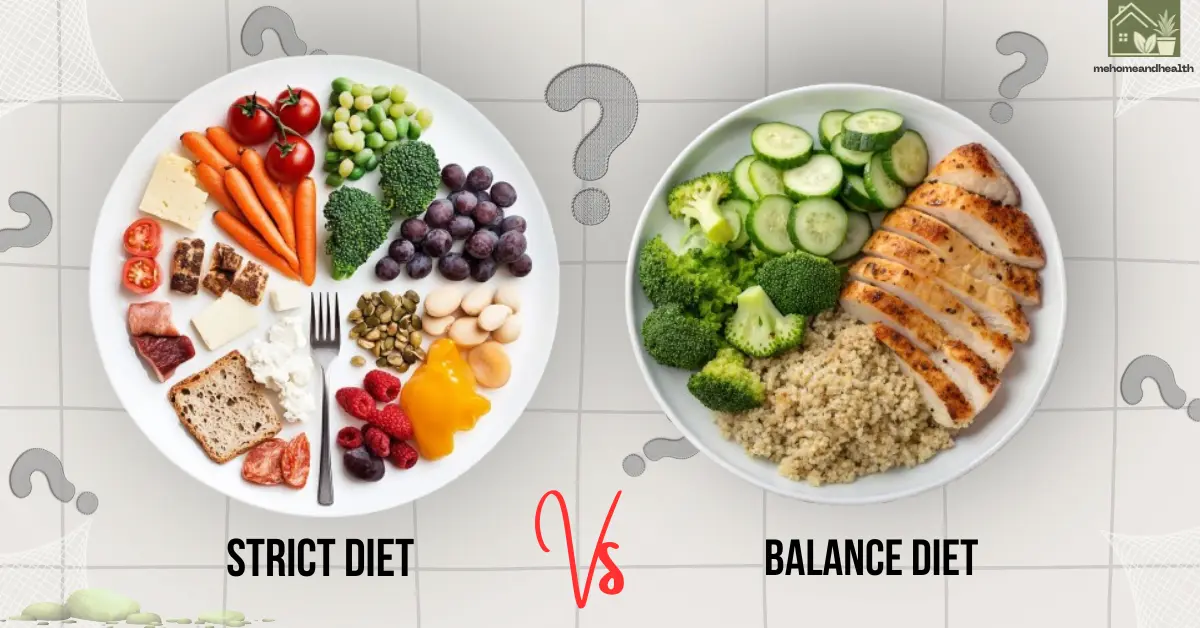
The honest answer ? Yes — and no. Strict diets can jump-start healthier habits and provide a sense of discipline. But when they become too rigid, they harm your physical, mental, and emotional well-being.
The key is balance, not perfection.
Eating should feel like nourishment, not punishment. And long-term health isn’t built on restriction — it’s built on consistency, flexibility, and self-awareness.
How to Build a Balanced, Sustainable Diet
Instead of swinging between discipline and deprivation, here’s how to build a realistic eating plan that lasts.
1. Understand Your Body’s Needs:
Start by knowing your BMI, activity level, and daily energy requirements.Your Total Daily Energy Expenditure (TDEE) helps you plan:
- Eat 10–20% fewer calories than TDEE to lose weight
- Eat at TDEE to maintain
- Eat 10–15% above TDEE to gain muscle
This creates a foundation rooted in your actual physiology — not guesswork.
2. Set SMART Goals:
Examples:
- “I want to lose 3 kg in 6 weeks.”
- “I’ll track weight and waist circumference weekly.”
- “I’ll improve energy and sleep.”
SMART goals make the journey encouraging rather than overwhelming.
3. Balance Your Macronutrients:
A general healthy target:
- 25–30% Protein
- 40–50% Carbs
- 20–30% Healthy Fats
This supports hormones, muscle repair, brain health, and steady energy.
4. Plan Nourishing Meals:
Base your meals on whole foods:
- Lean proteins
- Whole grains
- Healthy fats
- Vegetables
- Fruits
- Nuts & seeds
A sample day may include:
- Oats with banana & chia seeds
- Chicken or tofu with quinoa and salad
- Greek yogurt with berries
- Baked fish or paneer with sweet potato & veggies
5. Follow the 80/20 Principle:
Eating clean 80% of the time and enjoying treats 20% of the time keeps you consistent without feeling deprived.
No more “cheat days.”Instead: smart, portioned cheat meals.
6. Track Progress — Not Perfection:
Monitor:
- Weight (weekly)
- Body measurements
- Sleep quality
- Water intake
- Mood & energy levels
This helps you make adjustments without obsessing over numbers.
7. Prioritize Sleep, Hydration & Stress Management:
- 7–9 hours of sleep
- 2–3 litres of water daily
- Stress management via yoga, meditation, deep breathing
- Daily fruits, veggies, nuts, seeds to protect immunity
Diet alone isn’t enough — lifestyle matters equally.
Helpful Tools for Your Wellness Journey
Here are some supportive resources often included in nutrition programs:
- BMI & Calorie Calculator
- Macro Distribution Charts
- Weekly Progress Trackers
- Meal Plans (Veg & Non-Veg)
- Cheat Meal Logs
- Hydration & Sleep Logs
- Goal Reflection Sheets
Use them as guides — not rigid rules.
Final Thoughts: Balance Builds Health
Strict diets can teach discipline and awareness, but they should never cost you joy, energy, or mental peace. The healthiest lifestyle is one that is:
✨ Flexible
✨ Nourishing
✨ Enjoyable
✨ Sustainable
Remember:
Discipline builds habits — but balance builds true health.
Also Read Our Blogs: Childhood Obesity : What Parents Need to Know?